
Ingham (Western)
Ingham-lineage charts show the rectum at the medial end of the sigmoid area, on the plantar surface of the left heel.
Kept on the left foot because it continues the sigmoid colon.
Foot reflexology · zone 1, 2
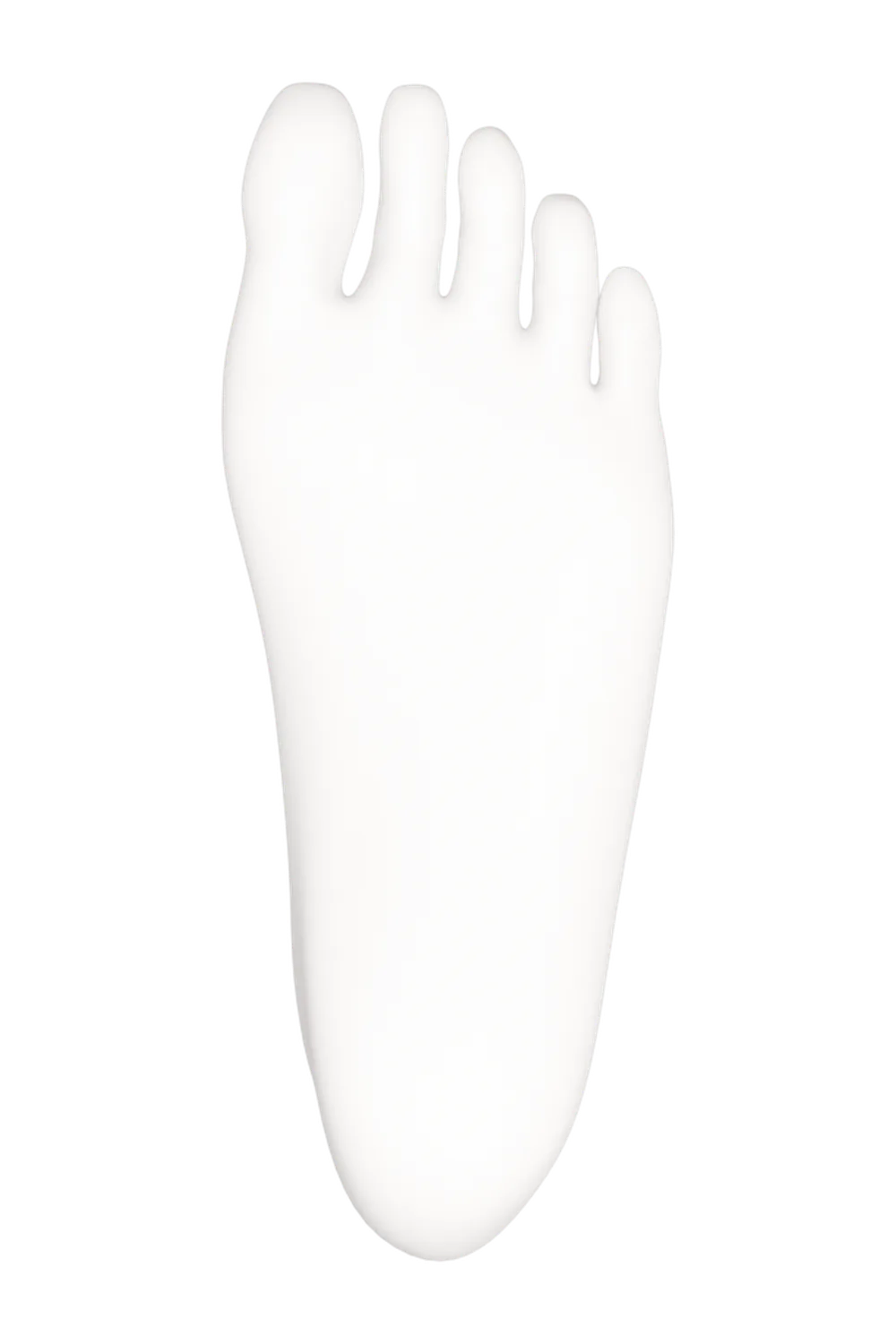
Location: In the Ingham-derived mapping, at the medial end of the sigmoid area on the sole of the left heel, toward the medial border.
Longitudinal zone(s): 1, 2 of 5
Side: left foot
Tradition: Ingham (Western)
Ingham (Western)
Ingham-lineage charts show the rectum at the medial end of the sigmoid area, on the plantar surface of the left heel.
Kept on the left foot because it continues the sigmoid colon.
Shared across schools
Many charts additionally, or instead, show a rectum/haemorrhoid line running up the inside of the Achilles tendon on BOTH feet above the heel.
Schools differ over whether the plantar area, the Achilles line, or both together are the rectum reflex.
Traditionally worked at the very end of the colon sequence.
Reflexology is a traditional practice, not an evidence-based medical treatment. Systematic reviews have not shown it to be effective for any medical condition. These maps document what practitioners traditionally use — they are not claims about how the body works.
Rectal bleeding or a persistent change in bowel habit needs medical assessment; conventional practice is to refer rather than to work the area.
In the Ingham-derived mapping, at the medial end of the sigmoid area on the sole of the left heel, toward the medial border.
Ingham (Western). Other schools place this area differently; the variants are documented on this page.
No. Reflexology maps are traditional diagrams, not descriptions of anatomy or physiology. Systematic reviews have not found reflexology to be an effective treatment for any medical condition.
Rectal bleeding or a persistent change in bowel habit needs medical assessment; conventional practice is to refer rather than to work the area.
References displayed on this page were recorded with the point dataset.