
Foot reflexology
Foot Reflexology Chart — Every Area and Its Source
Foot reflexology is the most developed of the three systems on this site. Its longitudinal-zone logic goes back to Eunice Ingham's 1930s charts, and the sole carries the densest, most detailed map of any part of the body — the spine runs down the inner edge of each foot, the toes hold the head and sinuses, and the organs sit in the arch in roughly the order they occupy the torso. Because the foot is large and its landmarks are clear, most placements here are agreed across schools; the handful that are not are ringed below.
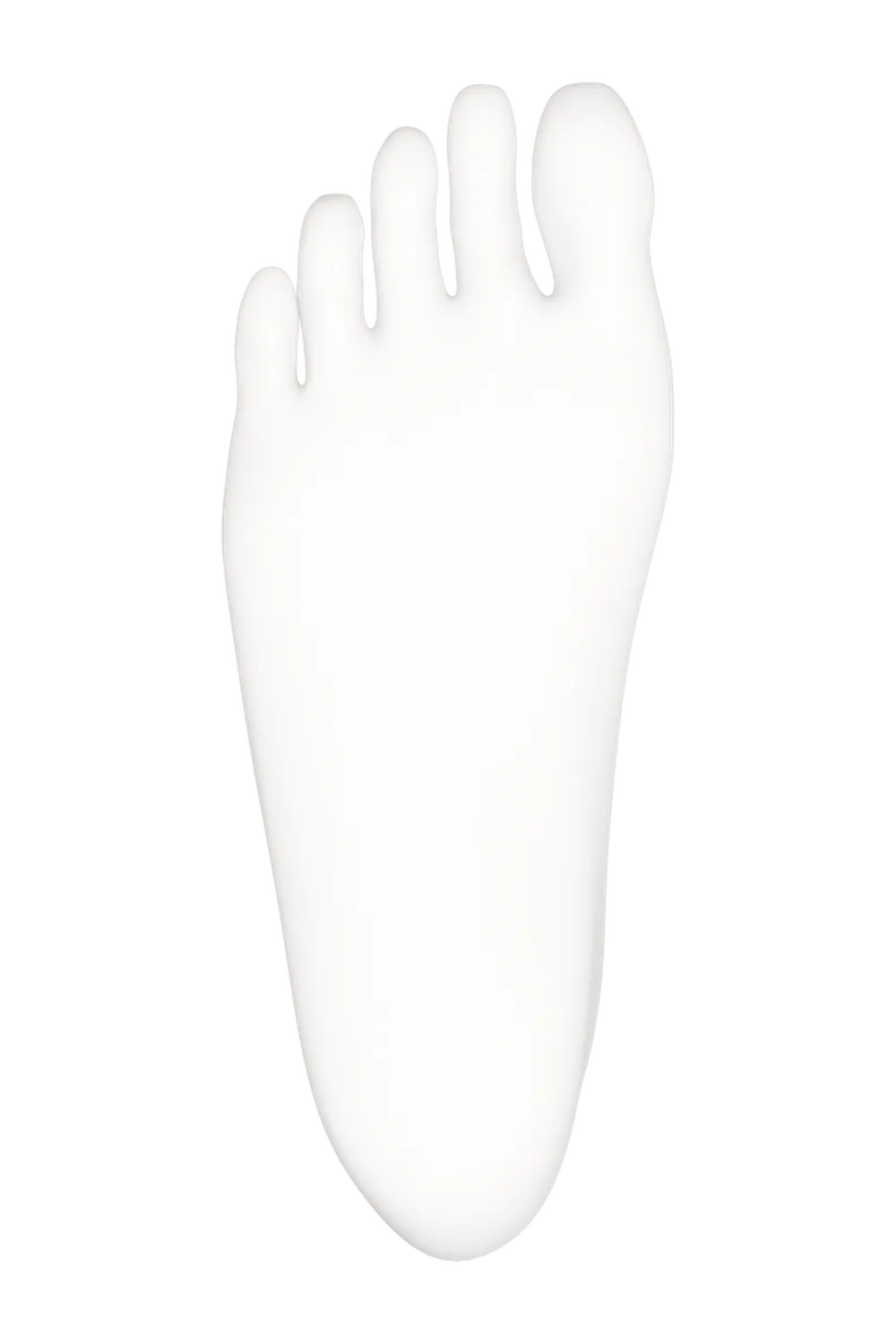
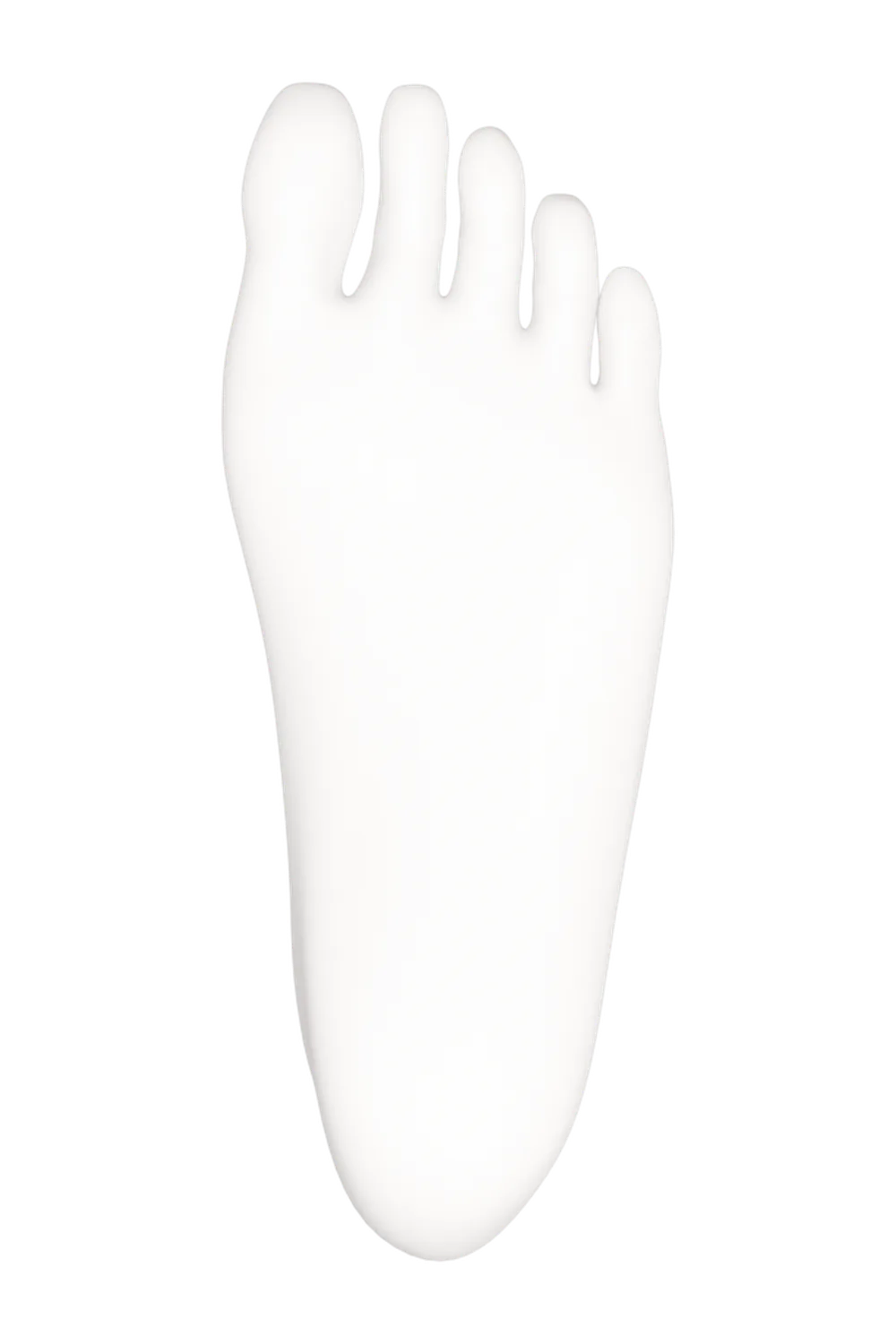
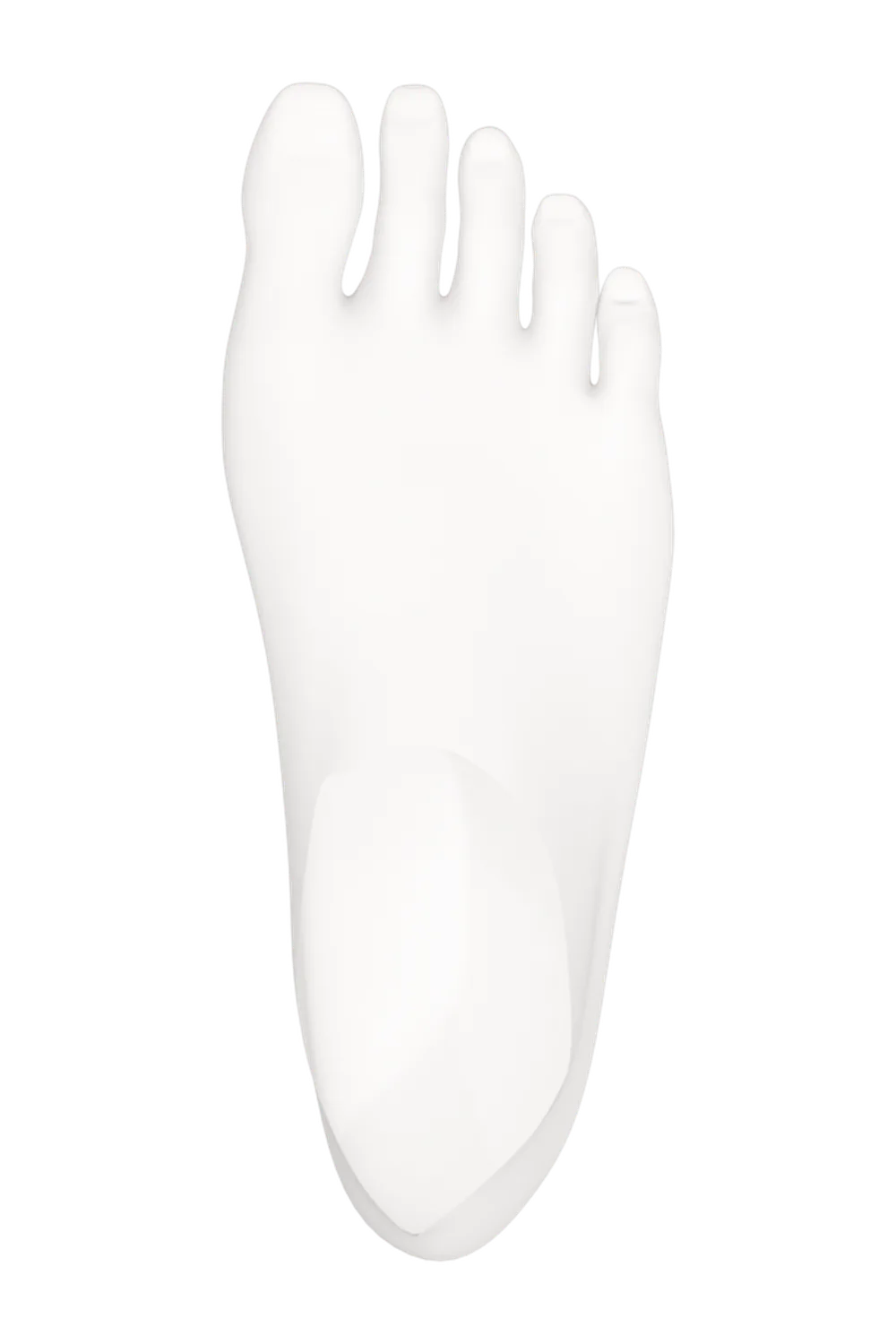
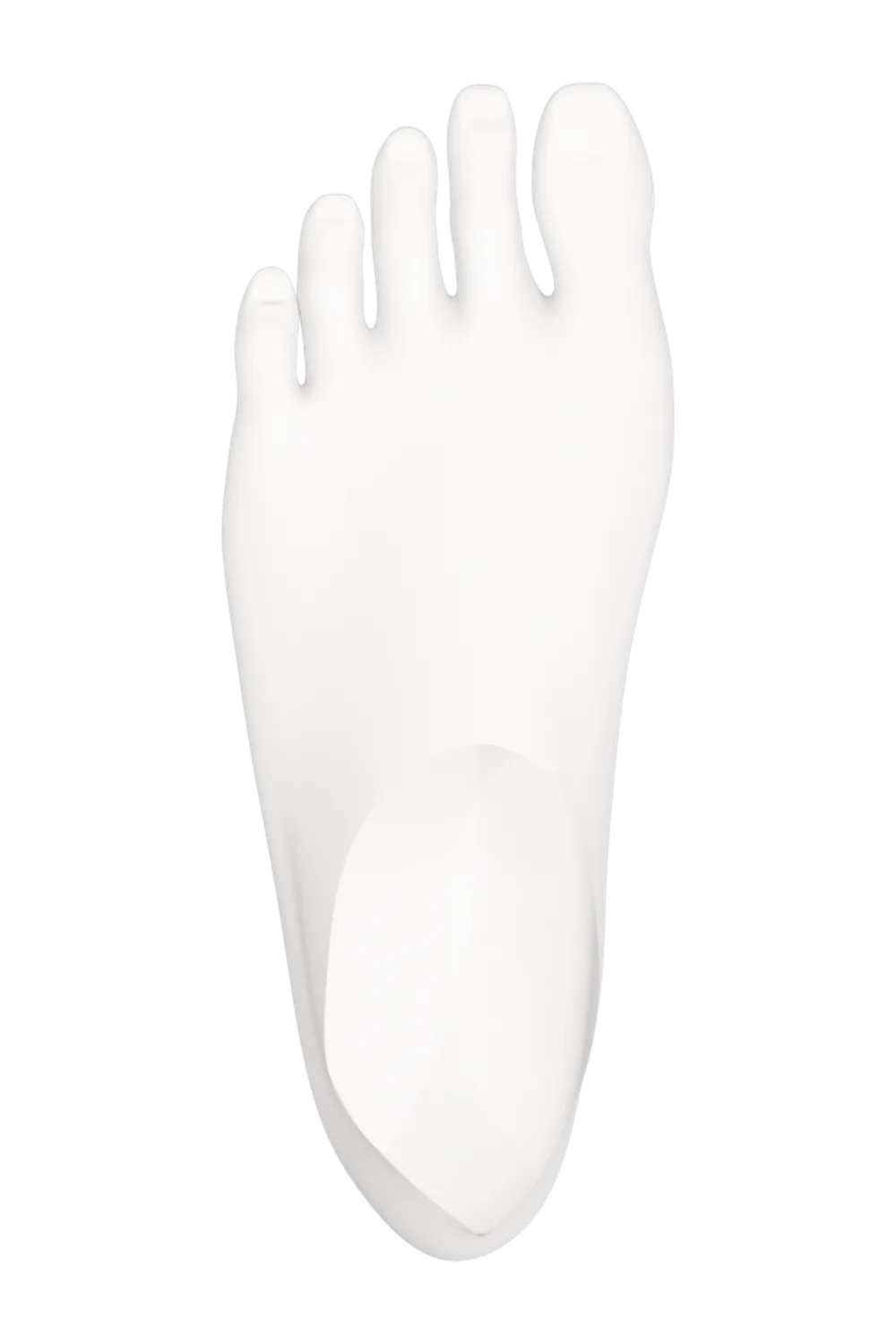
Drag to rotate · scroll to zoom · tap a marker to open it
Drag to rotate · scroll to zoom · tap a marker to open it
All areas
Frequently asked questions
How many reflex areas are on a foot chart?
This chart records 73 areas across both feet — 36 on the right and 37 on the left. Counts differ between published charts because reflexology has never been standardised.
Why do foot reflexology charts disagree with each other?
Because there is no standard. More than a hundred foot maps have been published since Eunice Ingham's charts in the 1930s, and they place several areas differently. This site shows the differences instead of hiding them.
Why are the two feet different?
Charts follow body anatomy for the asymmetric organs: liver and gallbladder are mapped on the right foot, heart and spleen on the left. Paired organs such as kidneys and lungs appear on both.
Does foot reflexology work?
Reflexology is a traditional practice, not an evidence-based medical treatment. Systematic reviews have not shown it to be effective for any medical condition. These maps document what practitioners traditionally use — they are not claims about how the body works.