
Foot reflexology · zone 1
Pituitary — Right foot
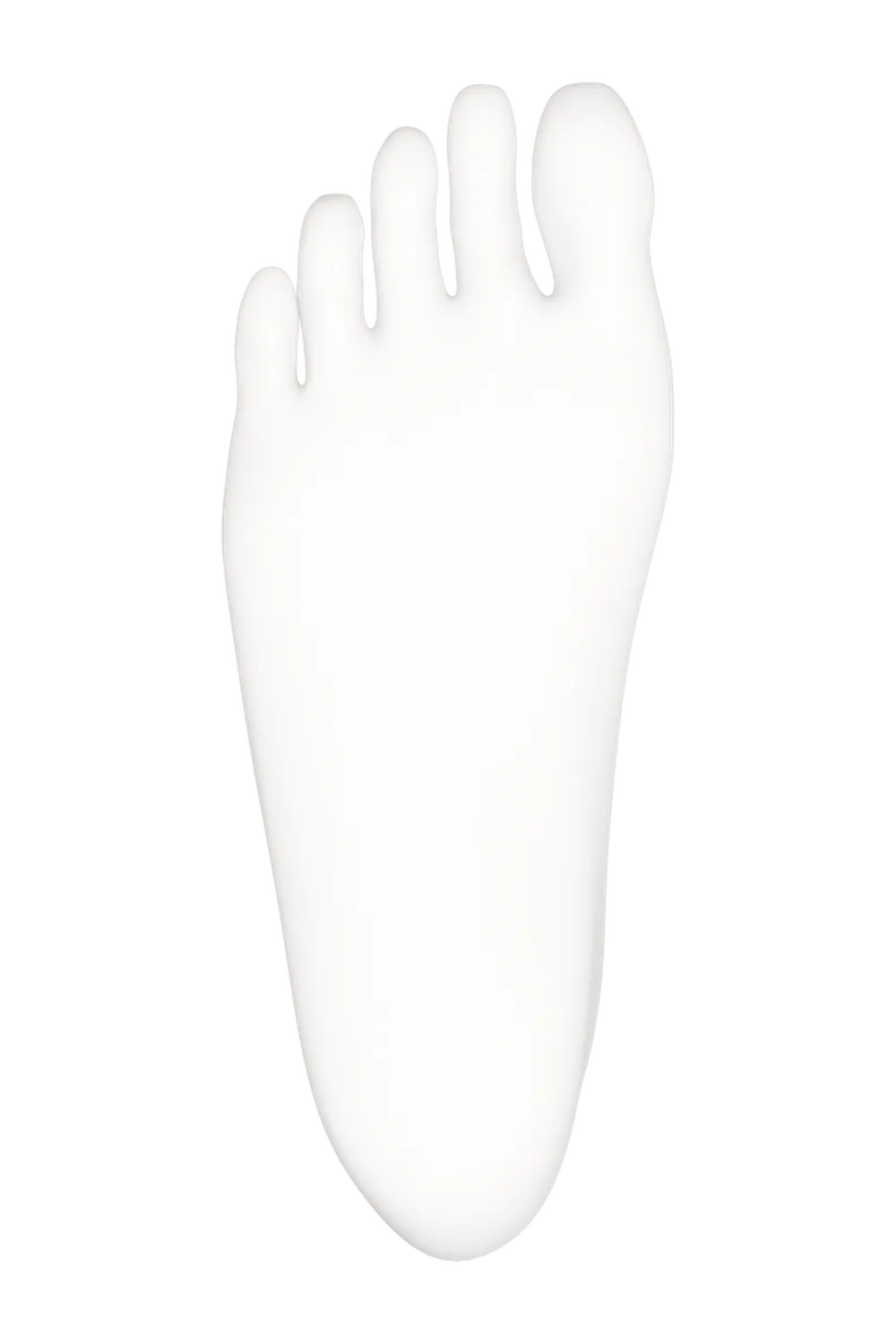
Placement
Location: In the centre of the plantar pad of the right big toe, at the whorl of the toe print; worked as a single deep point rather than as an area.
Longitudinal zone(s): 1 of 5
Side: right foot
Tradition: Shared across schools
Traditional use
Charts call this the pituitary point and most general sequences include it. The 'endocrine balance' label is the tradition's own wording for the point, not a description of any hormonal effect.
Reflexology is a traditional practice, not an evidence-based medical treatment. Systematic reviews have not shown it to be effective for any medical condition. These maps document what practitioners traditionally use — they are not claims about how the body works.
Frequently asked questions
Where is the pituitary reflex area on the foot?
In the centre of the plantar pad of the right big toe, at the whorl of the toe print; worked as a single deep point rather than as an area.
Which tradition does this placement come from?
Shared across schools. The major schools broadly agree on this placement.
Does pressing this area treat the organ it is named after?
No. Reflexology maps are traditional diagrams, not descriptions of anatomy or physiology. Systematic reviews have not found reflexology to be an effective treatment for any medical condition.
Sources
References displayed on this page were recorded with the point dataset.
- Eunice D. Ingham, "Stories the Feet Can Tell Thru Reflexology" (1938) and "Stories the Feet Have Told Thru Reflexology" (1951) Ingham original foot charts, plantar view
- Dwight C. Byers, "Better Health with Foot Reflexology: The Original Ingham Method" International Institute of Reflexology foot charts
- Chinese foot reflex-zone charts (足部反射区) as taught in the Chinese foot-massage tradition Standard Chinese plantar and dorsal reflex-zone chart